

Algernon Blackwood (1869-1951)
Algernon Blackwood è considerato uno dei più grandi autori di letteratura fantastica e horror soprannaturale della tradizione anglofona. Nato a Shooter’s Hill, nel Kent, il 14 marzo 1869, crebbe in una famiglia profondamente religiosa che lo avrebbe spinto verso una precoce ribellione spirituale e un’intensa curiosità per il mistero, l’occulto e il mondo naturale. Dopo gli studi in Canada e un lungo periodo di vita avventurosa tra New York e i grandi spazi nordamericani — dove lavorò come giornalista, allevatore di mucche e gestore di un piccolo hotel — tornò in Inghilterra all’inizio del Novecento e si dedicò interamente alla scrittura.
La sua opera si distingue nel panorama del weird fiction e della ghost story vittoriana ed edoardiana per una caratteristica fondamentale: il soprannaturale non è mai semplicemente terrorifico, ma profondamente ambiguo, radicato nella natura e nell’esperienza psicologica dei personaggi. Blackwood non scriveva di fantasmi nel senso tradizionale — scriveva di forze primordiali, di nature selvagge abitate da presenze invisibili, di menti umane che perdono i propri confini a contatto con qualcosa di più antico e vasto.
Tra le sue opere più celebri figurano The Willows (1907) e The Wendigo (1910), entrambi considerati capolavori assoluti del weird fiction — H.P. Lovecraft li citò esplicitamente come influenze fondamentali. John Silence, Physician Extraordinary (1908) è la sua raccolta più famosa, incentrata su un medico investigatore del paranormale che anticipa figure come il dottor Van Helsing. The Centaur (1911) esplora il panteismo mistico che attraversa tutta la sua produzione. The Human Chord (1910) e Julius LeVallon (1916) affrontano temi esoterici con una profondità rara nella letteratura popolare del periodo.
Blackwood fu anche un personaggio radiofonico di grande successo nella BBC degli anni Trenta e Quaranta, dove lesse i propri racconti diventando noto al grande pubblico come “il narratore di storie di fantasmi”. Morì a Londra il 10 dicembre 1951, lasciando un corpus di oltre duecento racconti e una dozzina di romanzi che continuano a influenzare la letteratura fantastica contemporanea.
Edizioni Intra pubblica alcune delle sue opere più rappresentative, sia in traduzione italiana che in lingua originale, nelle collane Mysteria e Pocket Bones — dedicate al meglio della tradizione horror, weird e soprannaturale della letteratura anglosassone.
Algernon Blackwood stands as one of the most significant figures in the history of supernatural and weird fiction. Born on March 14, 1869, in Shooter’s Hill, Kent, he grew up in a strictly religious household that paradoxically fuelled a lifelong fascination with mysticism, the occult, and the hidden forces of the natural world. After studying in Edinburgh and spending years abroad — farming in Canada, drifting through New York as a journalist and odd-job man — he returned to England in his thirties and devoted himself entirely to writing.
What sets Blackwood apart from his contemporaries in the ghost story tradition is his deeply pantheistic sensibility. His supernatural is rarely malevolent in a conventional sense: it is ancient, indifferent, and overwhelming — a presence felt in vast landscapes, dark forests, and the slow dissolution of the rational mind. His stories draw as much from his love of the Canadian wilderness and the Alpine mountains as from any literary tradition, giving them an immediacy and physical intensity that remains unmatched.
His most celebrated works include The Willows (1907) and The Wendigo (1910), both cited by H.P. Lovecraft as masterpieces of the weird tale and among the finest examples of cosmic horror in English literature. John Silence, Physician Extraordinary (1908), his best-known collection, introduced one of fiction’s earliest occult detectives. The Centaur (1911) remains his most personal novel, a meditation on humanity’s lost connection with elemental nature. Among his other notable works are The Human Chord (1910), Julius LeVallon (1916), The Wave (1916), and the story collections The Empty House and Other Ghost Stories (1906), The Listener and Other Stories (1907), and Incredible Adventures (1914).
In the 1930s and 1940s Blackwood became a celebrated BBC radio personality, reading his own stories to a wide audience and earning the affectionate title of “the ghost man.” He died in London on December 10, 1951, leaving behind over two hundred short stories and more than a dozen novels — a body of work that continues to shape the weird fiction tradition to this day.
Edizioni Intra publishes a selection of Blackwood’s most representative works, both in Italian translation and in the original English, as part of the Mysteria and Pocket Bones collections.
-
 Algernon Blackwood, “Il Wendigo”€11,00
 -
 Algernon Blackwood, “I salici”€11,00
 -
 Algernon Blackwood, “I dannati”€15,00
 -
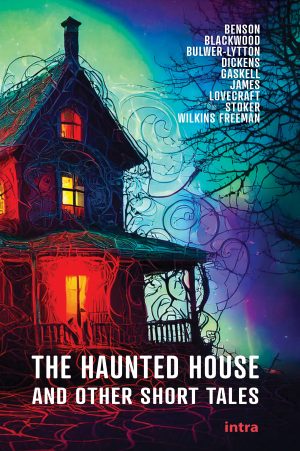 AA. VV., “The Haunted House: And Other Short Tales”€15,00
 -
 Algernon Blackwood, “The Damned”
 -
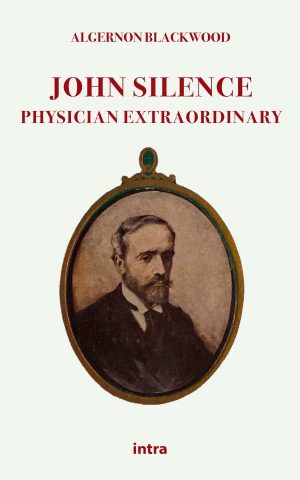 Algernon Blackwood, “John Silence: Physician Extraordinary”Fascia di prezzo: da €3,99 a €4,99
 -
 Dorothy Scarborough, “Famous Modern Ghost Stories”Fascia di prezzo: da €3,99 a €14,99
 -
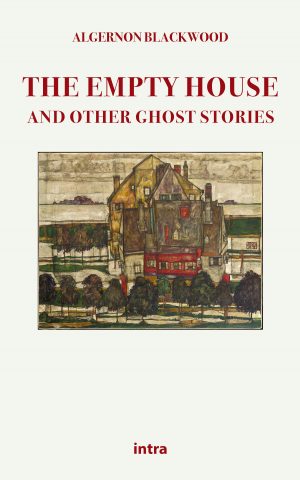 Algernon Blackwood, “The Empty House and Other Ghost Stories”Fascia di prezzo: da €1,99 a €8,51